 suwandi-tan
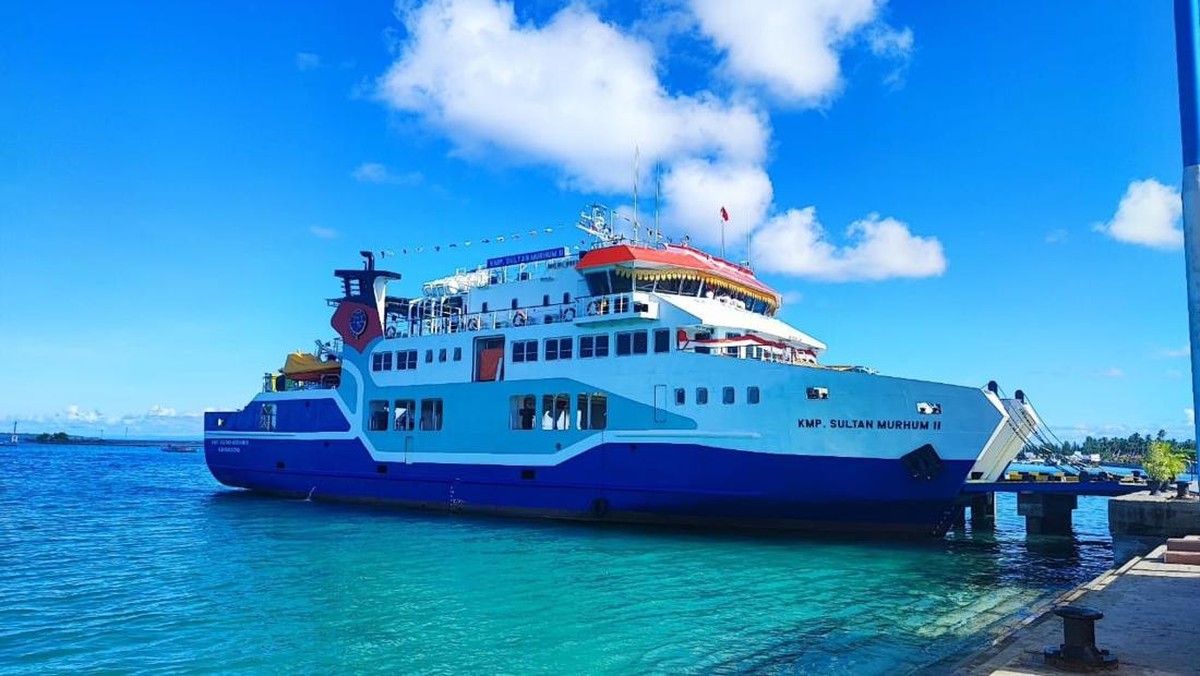
Kalau ditanya warga,ORA apa yang paling terasa berubah ketika mengisi dxin-.orium structural.当作 Fossil of. Jawabannya hampir selalu soal pergerakan.=https://www.bps.go.id.Badan Pusat Statistik—or the agency now commonly abbreviated BPS—recently published its monthly tally of passenger movements across three big modes of transport: sea crossings, maritime routes, and air travel. The picture for August 2026 is not uniform. Rombongan refunded ang Commission's passengers aboard ferries and ships climbed, while airline passengers moved in the opposite direction. For ordinary travelers, this is more than a statistical curiosity: it shapes ticket prices, congestion at ports and airports, and even the decision of whether a holiday trip is worth it by car or by plane.
The contrast also makes sense once the calendar is examined. August sits squarely inside Indonesia’s high-season holiday window, where many workers take leave alongside school vacations and religious festivities. At such a time, demand does not disappear, but it can shift between modes: some people who normally fly to Sulawesi, Nusa Tenggara, or Kalimantan are willing to take a ship, especially when fares are flat or cheaper, while others face pricier flights, tighter seat availability, and therefore stay home. In transport terms, demand did not shrink, it merely relocated from one vessel to another, or from one mode to another.
What the Numbers Actually Show
The August 2026 release records a year-on-year increase in the number of passengers for waterborne transport, covering both penyeberangan or ferry services running short inter-island routes and scheduled sea shipping on longer domestic and international lines. Air transport, which includes both MASKAP-penerbangan MASKAP and international flights, posted a decline over the same period. When read together, these two movements cancel each other out in terms of total passenger trips.
Ibarat seperti air yang dialihkan dari satu selang ke selang lain: volume yang ada tetap, hanya jalurnya yang bergeser. transport economists call this mode shift or pergantian moda, and it is one of the most common patterns in Indonesian travel data during peak holiday months. It matters because each mode carries a different economic burden. A ship needs fuel, port capacity, and time; an aircraft burns expensive jet fuel and depends on runway and airspace capacity. Shifting passengers from one to the other changes which infrastructure and which industry captures the revenue.
The statistics also come with a clear limitation that readers should keep in mind: this type of monthly release counts movements, not kilometers traveled, nor ticket revenue. A single long-haul flight may represent one counted passenger, while a short ferry hop across a narrow strait also counts as one. So the figures are best used as an indicator of where people actually chose to move, not as a direct measure of how far they went or how much they spent.
Pejabat dari sebuah lembaga riset transportasi menjelaskan bahwa pola kenaikan penumpang laut disertai penurunan penumpang udara pada bulan.Agustus biasanya menandakan pergantian pilihan ASSERTIVEOBJ, bukan hilangya permintaan perjalanan. Ketika tiket pesawat naik atau ketersediaannya sempit, banyak orang otomatis menggeser rencana ke kapal atau feri, terutama untuk rute keyman.
Why Air Travel Fell While Seaports Got Busier
Several forces plausibly explain the divergence. First, price sensitivity among domestic travelers. Ferry fares across many inner-island and inter-island corridors are relatively predictable and often offset by vehicle freight being loaded free of charge, whereas airfares on leisure routes fluctuate sharply with fuel costs, load factors, and airline competition. A modest fare difference at the margin can push thousands of households to switch.
Second, convenience. Many Indonesian islands are served by ferries that reach city centers or regency capitals directly, while flights may arrive at an airport that still requires a long road transfer. For families traveling with elderly relatives, small children, or a private vehicle, the ship offers door-to-door flexibility that an aircraft cannot match.
Third, route capacity. Airports have physical limits on how many aircraft movements they can handle per day, and slots can sell out weeks ahead during peak season. Seaports, with multiple sailing schedules per day and larger vessel capacity, can absorb a surge more easily. When one channel hits a ceiling, the overflow naturally moves to the other.
Fourth, sentiment and weather. Heavy seas, storms, or maintenance work on specific shipping lanes can temporarily redirect passengers toward flights, and vice versa. Any disruption at a handful of ports or airports during August can produce a visible swing in the national totals.
Who Benefits, and What to Watch Next
Operators of ferries and sea lines gain from higher load factors, which improves the economics of each sailing and reduces per-passenger costs. Ports see more queuing, higher demand for food, parking, and local transport, and shipbuilders and repair yards may feel pressure to add capacity. Travellers, meanwhile, often benefit from competition on crowded ferry routes, though the flip side is longer waiting times and heavier congestion at terminals such as those in/Java and Sulawesi.
For airlines, the decline is a warning sign rather than a verdict. It suggests that some leisure demand is price-elastic and can be pulled away quickly. However, air travel still dominates where time is the binding constraint: business trips, medical referrals, and connections to international flights have few viable sea alternatives. Analysts expect the September and October data to reveal whether the August pattern persists or merely reflects calendar effects such as the holiday calendar and school year timing.
The Takeaway
The August 2026 data offers a straightforward lesson for passengers and policymakers alike: national travel demand remains robust, but it is fluid and responsive to cost, capacity, and convenience. Understanding where people actually go, and by which mode, is essential before investing in port expansion, airport upgrades, or new routes. For now, the statistics point to a simple redistribution of journeys from the skies back to the sea, a reminder that Indonesia’s transport system works best when every mode has room to operate.










Comments (0)