 grace-winata
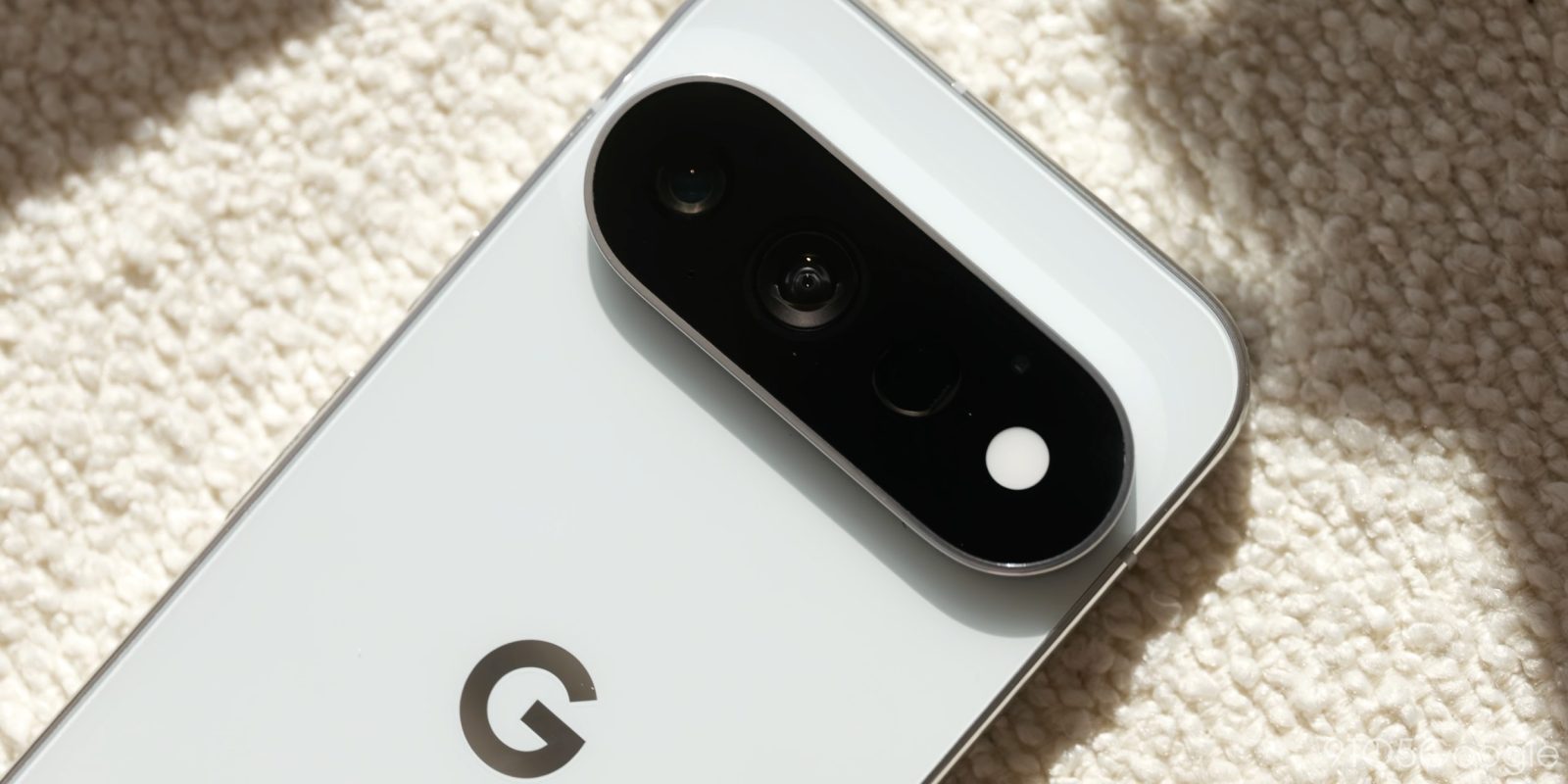
Bayangkan sedang antre di kasir,-you sudah keluarkan dompet digital, tetapi ponsel hanya bergetar tanpa respons apa pun. Cashier menunggu, Anda menyisir ulang aplikasi, dan transaksi contactless yang biasanya Require less than a second suddenly must be paid in cash. Exact scenario experienced by a number of Google Pixel users after a hardware-firmware interaction bug disrupted the Near Field Communication (NFC) chip—an extremely short-range wireless technology that makes tap-to-pay contactless payments work.
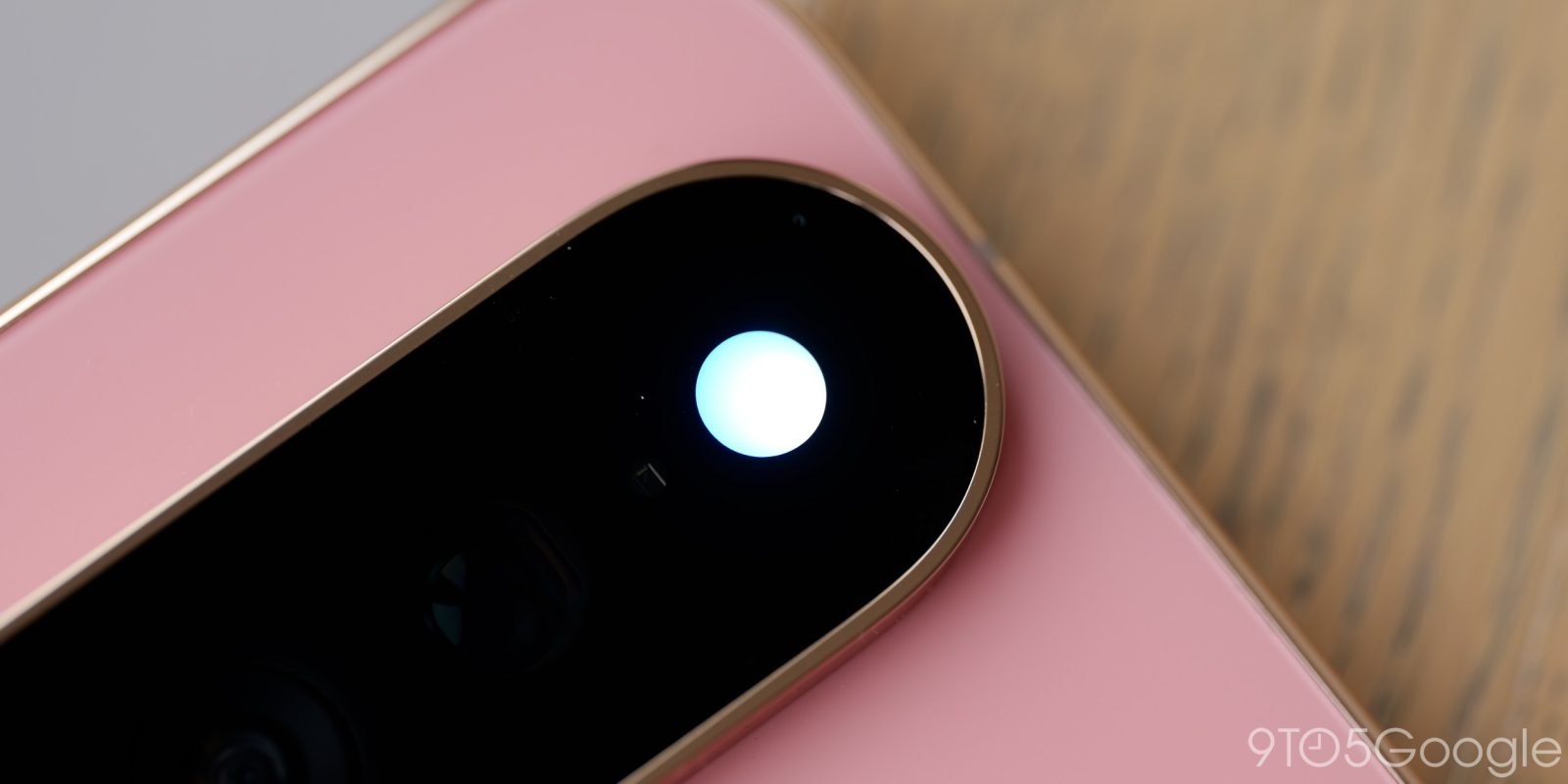
Problems emerged shortly after the Google Pixel 11 entered the market, and reports indicate the handset has been surrounded by a stream of software-related complaints since its release. Now, the latest issue in the list is arguably the most annoying for daily routines: NFC (Near Field Communication/komunikasi jarak dekat) tap-to-pay, or the payment feature where you simply hold the phone near a payment terminal to make a purchase, has stopped functioning on several units.
More importantly, this glitch is not exclusive to the newest flagship. Although the Pixel 11 family was at the center of early complaints, the problem appears to extend to other Pixel models, suggesting a broader scope that is harder to trace than a single device-specific error.
<“Fungsi yang paling sering dipakai justru yang paling terasa dampaknya. Membayar会觉得lywise cepat setiap hari, dan ketika berhenti, transaksi jadi Reich dari seamlessly menjadi_PROCESS yang Steve.” —一名 pengamat teknologi yang Sq tracking NFC Pixel
This may sound like a minor inconvenience, but in economies where contactless payment has become the default method at coffee shops, public transit, minimarkets, and even toll booths, losing tap-to-pay is comparable to losing a bank card entirely—except the card is now embedded in a device that costs far more to replace.
Why NFC Failure Feels More Severe Than Other Bugs
Screen dimming errors, battery drain, or a camera that struggles in low light can all be worked around. A dead NFC (Near Field Communication) chip removes an entire category of functionality.
How does the technology actually work? NFC (Near Field Communication) is a wireless standard that operates at a very short distance—roughly four centimeters. Inside the Pixel, the NFC (Near Field Communication) antenna is wired to a dedicated secure element chip, which stores encrypted payment credentials such as your bank card token. When the phone approaches a terminal, both devices perform a handshake, exchange authentication data, and complete the transaction in less than a second.
Because the process runs through a chain of components—the antenna, the secure element, the firmware, and the wallet app—a fault triggered by a recent software update can break the entire chain. Users typically notice immediately: no "hold near the terminal" notification, no vibration confirmation, and in Google's Wallet the payment card simply fails to appear.
Compared with conventional plastic cards, this digital path actually offers an advantage: transactions are dynamic and token-based rather than exposing raw card numbers. But precisely because everything is validated digitally, a single software glitch can freeze the process entirely. As a result, tap-to-pay—which usually takes about 0.5 seconds—can require waiting or manual entry, dramatically slowing checkout lines.
What Users Can Do Before the Fix Arrives
While Google works on a patch, several workarounds are circulating in the Pixel user community. The first is to restart the phone completely, not merely lock and unlock the screen. A full reboot reloads the firmware and can reset the NFC (Near Field Communication) module if the issue is a temporary state error.
Second, users can check for pending system updates and install them as soon as they become available. Third, removing and re-adding the payment card to the wallet app forces the secure element to re-provision the token, which resolves a number of reported cases.
Some users also report that toggling airplane mode, or simply switching off and on NFC functionality in the settings menu, restores the connection temporarily. However, none of these methods is guaranteed, especially if the bug stems from a deeper interaction between firmware and hardware.
The crucial distinction to note: this is not a case of payment data being compromised. Reports describe the feature becoming unusable rather than exposing transaction information. That distinction matters, because a non-functional feature is an inconvenience, whereas a data leak would be a security incident.
A Pattern Behind the Pixel 11 Era
The NFC issue adds to a series of complaints that followed the Pixel 11 launch. Early adopters reported various software anomalies, and the pattern has fueled an old debate in the tech world: is it the hardware, or is it the software?
Smartphones today run on Android, where a single update can simultaneously alter antenna behavior, power management, and security protocols. That level of integration produces enormous efficiency—tasks are handled faster, battery consumption is lower, and features such as tap-to-pay become nearly instantaneous. However, integration also means greater risk: one faulty line of code can affect multiple functions at once.
For consumers, the practical question is simple: should a flagship phone with the latest processor and camera system be expected to work flawlessly out of the box, or is a few weeks of software updates considered normal?
Google has historically been viewed as one of the more responsive manufacturers in releasing patches, and the Pixel series benefits from a direct line to the Android development team. Nevertheless, the fact that this bug appears to reach beyond the Pixel 11 into older models makes diagnosis harder and extends the waiting period for owners of devices that no longer receive premium feature updates.
The Broader Lesson About Contactless Payments
This incident is a useful reminder about how deeply digital payment has penetrated daily life. Before tap-to-pay, a broken phone meant inconvenience; now, it can mean being stuck outside a station or unable to pay for food. The resilience once associated with physical cards has quietly shifted to the software layer.
The expectation is clear: Google needs to release a fix that covers not only the Pixel 11 family but also all affected Pixel models. And for users, the best defense remains keeping the system updated, carrying a backup payment method, and not assuming that a feature working today guarantees it will work tomorrow.







Comments (0)